
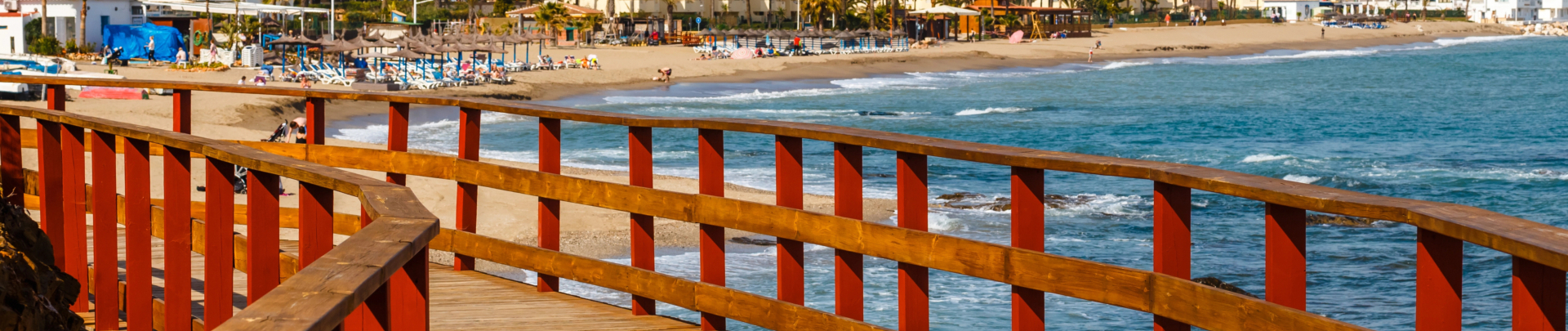
Guide to Coastal Property Locations in Spain

Guide to Coastal Property Locations in Spain
Spain has long been one of Europe’s most desirable destinations for coastal living. From vibrant resort towns to peaceful fishing villages, Spain’s coastline blends natural beauty, cultural richness, and strong investment potential. The Mediterranean coast offers warm winters and hot summers, making it ideal for year-round living, while the Atlantic coast presents a more temperate climate with lush landscapes.
Spain’s varied geography means buyers can choose between dramatic cliffs, long sandy beaches, sheltered coves, marina-front apartments, or countryside villas with sea views. Beyond lifestyle appeal, Spain’s coastal property market continues to attract international buyers seeking holiday homes, retirement residences, or rental investments.
Well-developed infrastructure, excellent transport connections, and a warm Mediterranean climate make many coastal areas practical as well as picturesque. Each coastal region has its unique character, from bustling tourist destinations to tranquil fishing villages, offering property buyers a wide range of lifestyle choices.
Major Coastal Regions
Costa Brava
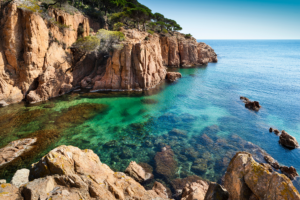
Stretching from the French border to Blanes, the Costa Brava continues to be one of Spain’s most visually striking coastlines. Rugged cliffs, turquoise coves, and charming fishing villages coexist with refined resort towns and high-end residential enclaves.
Prime areas such as Cadaqués and Begur remain especially sought-after for luxury villas with sea views, while towns like Roses and L’Escala offer a mix of modern apartments and traditional properties. Demand has grown for restored stone masias in inland medieval villages, combining authenticity with privacy.
Costa Dorada
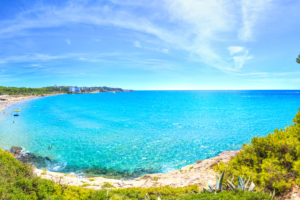
The Costa Dorada, also known as the Golden Coast, is known for its long sandy beaches and relaxed atmosphere. Anchored by the historic city of Tarragona, a UNESCO-listed destination, the area combines coastal living with cultural heritage.
Compared to its northern neighbour, property prices here remain relatively competitive, though premium seafront homes and modern developments have seen steady appreciation. Excellent rail links to Barcelona and growing interest from domestic buyers have strengthened the year-round property market. The region continues to attract families and second-home owners seeking good value, accessibility, and lower density tourism.
Costa Blanca
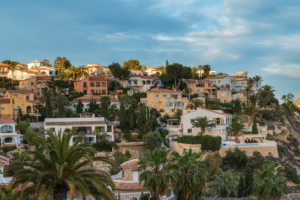
The Costa Blanca remains a cornerstone of Spain’s international property market. With over 300 days of sunshine every year and strong healthcare infrastructure, it appeals to retirees, remote workers, and lifestyle buyers alike.
Cities such as Alicante and Torrevieja continue to offer affordable apartments and established expatriate communities, while areas like Jávea and Moraira are increasingly associated with high-end villas and contemporary new-build projects. This area also benefits from international flight connections and modern amenities that support both permanent living and short-term rental investment.
Costa del Sol
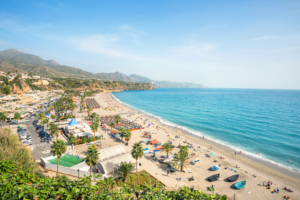
The Costa del Sol represents the epitome of Mediterranean living, with its glamourous resorts, world-class golf courses, and vibrant expatriate communities. This region includes several distinct areas.
Luxury hotspots such as Marbella and Puerto Banús attract high-net-worth buyers, while Benalmádena and Fuengirola provide more accessible price points with strong amenities. La Cala de Mijas has matured into a highly desirable residential hub, balancing traditional Andalucian charm with modern developments.
Improved infrastructure around Málaga, including its international airport and expanding tech sector, has strengthened demand for both luxury villas and contemporary apartments. International schools, private healthcare, and golf communities continue to make the region particularly attractive to families and long-term relocators.
Costa de la Luz
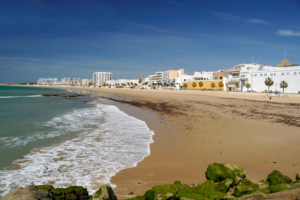
The “Coast of Light” offers a different perspective on Spanish coastal living, with wide, unspoiled beaches and strong Atlantic breezes. Popular with wind and kite surfers, towns like Tarifa and Conil de la Frontera attract a more adventurous buyer.
Property prices generally remain lower than on the Mediterranean coast, offering excellent value for those seeking authentic Spanish coastal living. The area maintains a strong Spanish character, with fewer international tourists than the Mediterranean regions.
Northern Spanish Coast
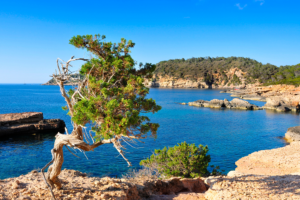
Spain’s northern coastline, including Galicia, Asturias, and Cantabria, presents a greener, cooler alternative to the south. This region is recognised for quality of life, gastronomy, and dramatic scenery rather than mass tourism.
Cities such as San Sebastián and Santander command premium prices, particularly for sea-view apartments and historic townhouses. Meanwhile, rural coastal properties and traditional stone homes remain comparatively affordable in less urbanised areas.
Growing domestic demand and interest from buyers seeking milder summers and natural surroundings have strengthened this segment of the market, positioning this area of Spain as a compelling lifestyle investment.
Activities and Lifestyle
Each coastal region offers distinct lifestyle opportunities shaped by local culture and climate. The Mediterranean coast excels in outdoor living, with year-round golf, tennis, and water sports facilities.
The Costa del Sol and Costa Blanca particularly stand out for their extensive social calendars, including international festivals, art exhibitions and sporting events. Northern regions offer more traditional Spanish experiences, with world-famous food festivals and cultural celebrations. Spain’s coastal areas provide excellent opportunities for hiking, cycling and, naturally, water sports.
Places of Interest Along the Coast
Spain’s coastline isn’t just defined by beaches and property hotspots, but also by an extraordinary number of natural parks, historic fortresses, marinas, and cultural landmarks.
The Costa Brava is celebrated for its rugged beauty and artistic heritage. The spectacular Cap de Creus Natural Park features dramatic rock formations, secluded coves, hiking trails, and protected marine ecosystems, which is a major draw for nature lovers and boat owners alike.
Art enthusiasts are drawn to the Dalí Theatre-Museum in Figueres, dedicated to the surrealist master Salvador Dalí. Nearby coastal villages such as Cadaqués, long associated with Dalí, combine cultural cachet with picturesque waterfront settings.
On the Costa del Sol, centuries of history meet modern luxury. The hilltop Alcazaba of Málaga and the adjacent Gibralfaro Castle offer sweeping views over the Mediterranean and insight into Andalusia’s Moorish past, while further west, the marina at Puerto Banús in Marbella remains synonymous with designer boutiques, superyachts, and high-end dining. The coastal promenades, particularly Marbella’s Paseo Marítimo, have benefited from ongoing investment, reinforcing the area’s reputation as a year-round lifestyle destination.
In the Costa Blanca, you’ll find a mix of historic landmarks and contemporary seaside living. Overlooking Alicante, the imposing Castle of Santa Bárbara provides panoramic views of the harbour and coastline, making it one of the region’s most iconic vantage points. Charming coastal towns such as Altea are known for whitewashed old quarters and blue-domed churches, while natural attractions like the cliffs of Peñón de Ifach in Calpe appeal to walkers and climbers.
Along the Atlantic-facing Costa de la Luz, vast beaches and protected wetlands create a very different coastal atmosphere. The renowned Doñana National Park, a UNESCO World Heritage Site, is one of Europe’s most important biodiversity reserves. It offers guided wildlife tours, birdwatching opportunities, and access to unspoiled landscapes rarely found elsewhere in southern Europe.
What to Eat on Spain’s Coast
Spain’s coastline delivers one of Europe’s most exciting seafood cuisines, shaped by regional traditions, local fishing methods, and an increasing focus on sustainability and seasonal produce. Along the Costa Brava, cuisine blends sea and mountain influences. A traditional favourite is Suquet de Peix, a rich fisherman’s stew typically made with monkfish, shellfish, potatoes, garlic, tomatoes, and saffron that reflects the region’s maritime heritage.
Rice dishes are also central to coastal menus, particularly on the Costa Blanca. In Alicante, arroz a banda remains a signature dish, where rice is cooked in concentrated fish broth and traditionally served separately from the fish itself. Other popular variations include arroz negro (made with squid ink) and arroz del señoret, where all seafood is shelled for easy eating. The region also benefits from excellent local produce, including citrus fruits and olive oil, which enhance both seafood and meat dishes.
The Costa del Sol is known for simple, flavourful Andalucian cooking that celebrates ultra-fresh fish. Pescaíto frito —lightly floured and fried sardines, anchovies, squid, and small hake — is a staple in beachfront chiringuitos, the informal seaside restaurants you’ll find along the beaches here. One of the most iconic sights along the Málaga coastline is the espeto de sardinas, sardines skewered and grilled over open fires on the sand, particularly in Málaga. The emphasis is on minimal seasoning and high-quality olive oil, allowing the freshness of the catch to shine.
The Costa de la Luz offers a slightly different flavour profile. In the province of Cádiz, atún rojo de almadraba (bluefin tuna caught using the ancient almadraba technique) is a culinary highlight. This sustainable fishing method produces prized cuts that are served as sashimi, tartare, grilled steaks, or slow-cooked specialities. Another regional favourite is tortillitas de camarones, delicate shrimp fritters that are crisp, light, and deeply savoury.
Where to Eat
Each coast of Spain has exceptional restaurants where visitors can enjoy local flavours in stunning locations. Along the Costa Brava, El Celler de Can Roca in Girona is a three-Michelin-starred destination and an absolute must for food enthusiasts, offering a creative menu inspired by local ingredients and international influences. Compartir in Cadaqués is another must, with a menu focusing on Mediterranean sharing plates.
On the Costa del Sol, La Bocana Restaurant in Marbella, known for its modern Mediterranean cuisine and seafood dishes, is a top choice. Meanwhile, La Casa del Rey in Estepona offers a range of tapas and local wines in a charming setting. Costa Blanca’s Quique Dacosta Restaurante in Denia boasts innovative, seafood-centric tasting menu that explores the flavours of the local area.
Property Buying Guide by Region
Types of Property
Apartments
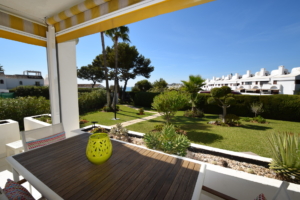
Coastal apartments are the most popular choice for holiday-home buyers and investors. Modern developments, particularly along the Costa del Sol and Costa Blanca, tend to include amenities like communal pools, landscaped gardens, underground parking, gyms, and gated security. Premium prices are typically achieved for frontline beach positions, panoramic sea views, and walkable access to town centres. Apartments also tend to perform strongly in short- and mid-term rental markets where licences are permitted.
Houses
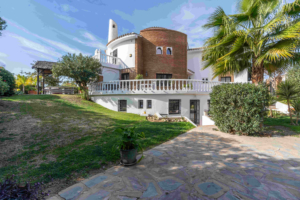
Traditional Spanish houses, including townhouses, semi-detached homes, and detached properties, offer greater space and privacy than apartments. In coastal towns like Estepona or Altea, buyers can find charming older properties in historic centres alongside newly built homes in residential communities. Many modern houses feature private gardens and pools, open-plan interiors, and rooftop terraces. Renovated properties that preserve Andalucian courtyards or Mediterranean architectural details remain especially desirable.
Villas
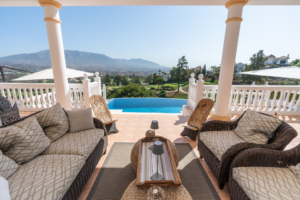
Luxury villas, which are especially prevalent in the Costa del Sol and Costa Blanca, offer the ultimate in prestigious coastal living. In prime zones like Benahavís and Moraira, villas typically offer luxury additions like infinity pools, landscaped gardens, and panoramic terraces. Newer builds frequently incorporate smart home technology, underfloor heating, and advanced security systems.
Country Homes (Fincas)
For buyers seeking privacy and land while remaining close to the coast, traditional fincas offer a compelling alternative. Found within easy reach of beaches yet set inland, these rural properties are common in Andalusia, Catalonia, and parts of Valencia. These traditional properties often feature large plots of land and require more maintenance but provide authentic Spanish character and potential for customisation.

Practical Information
The property buying process in Spain requires careful attention to legal and administrative details. Each region has specific regulations affecting property ownership and development, so buyers should work with reputable local lawyers familiar with property law in their chosen region.
Transportation infrastructure varies significantly too, with the Mediterranean coast generally offering better international connections through multiple airports and high-speed rail links.
Local Amenities by Region
Coastal regions vary significantly in their amenity offerings. The southern coastal areas lead in international amenities, with multiple English-speaking services, international schools, and modern shopping centres. The Mediterranean coast generally offers excellent healthcare facilities, with both public and private options available. Sports facilities, particularly golf courses, are abundant in popular expatriate areas too. If you’re looking for a more traditional Spanish experience, Northern regions typically provide classic amenities, with fewer international services but strong local infrastructure.
Living in Spanish Coastal Areas
Coastal living in Spain blends traditional Mediterranean rhythms with modern convenience. Daily life still centres around local markets, cafés, and plazas, where fresh produce, seafood, and social interaction form part of the routine.
Community integration depends largely on location. Established expat hubs on the Costa del Sol and Costa Blanca provide an easier transition for international buyers, with plenty of multilingual services and social networks already in place to help you settle in. In northern and more rural coastal areas, having Spanish language skills can help with a deeper cultural immersion and enables you to soak up the more traditional atmosphere.
Ultimately, Spain’s coastline offers a spectrum of lifestyles, from cosmopolitan and internationally oriented to authentically local and quietly scenic, allowing buyers to match their choice of region to their preferred pace and style of living. To find your perfect property on the Spanish coast, browse our listings or contact the team at Windsor Consultants for expert guidance.